Arctic & Greenland Cruises
Season, routes and the right ship: planned by a desk that knows the region
Past the top of the fjord map, cruising becomes expedition work: ice-strengthened hulls, zodiacs and sun that forgets to set.
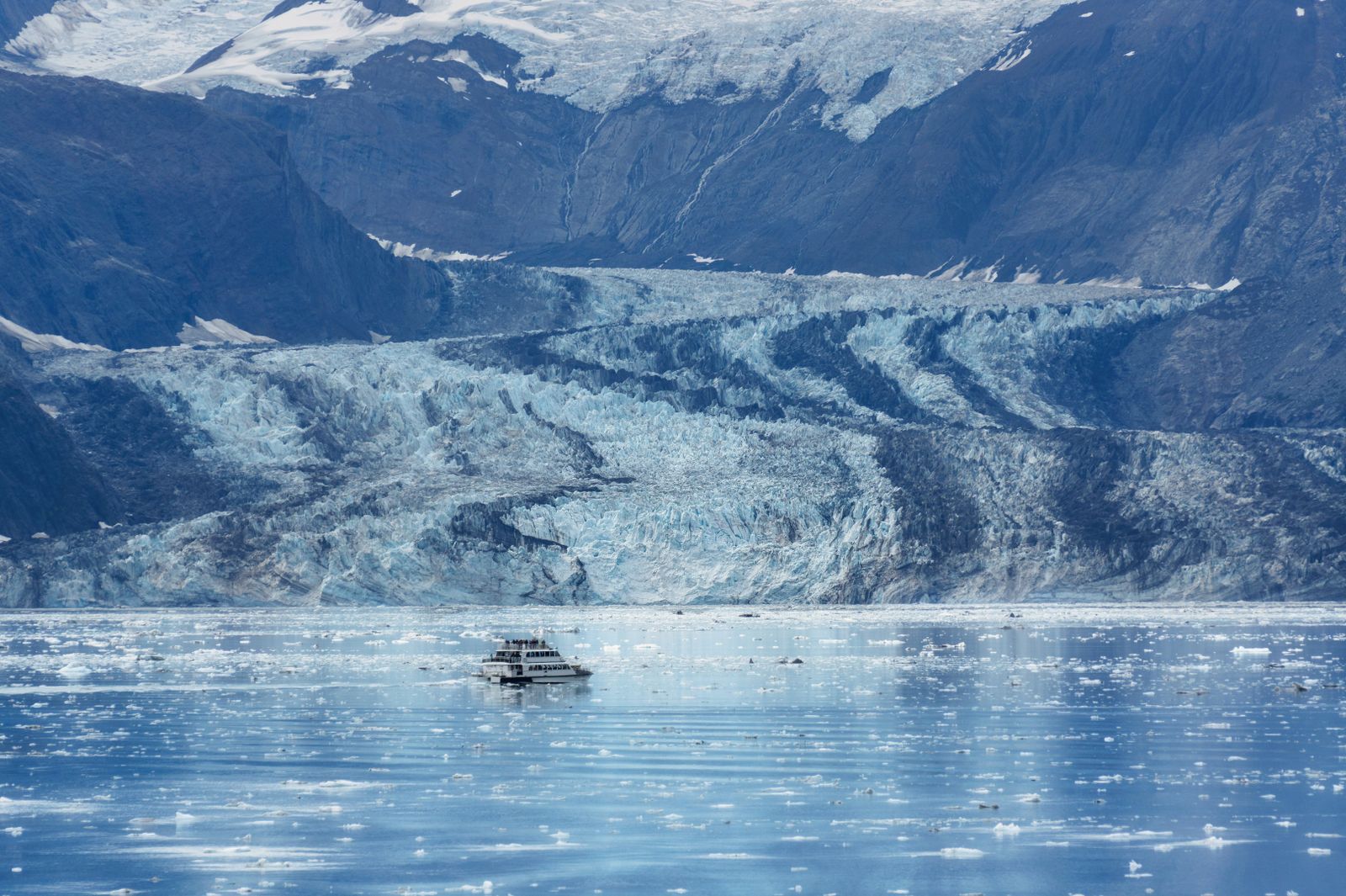
North of the familiar cruising grounds, the sun stops setting and the itinerary stops being a schedule. Arctic and Greenland voyages run on ice conditions and wildlife movement, with expedition leaders redrawing the day's plan as the pack shifts. That improvisation is the product: fjords choked with icebergs, tundra walks, and the standing chance, never the promise, of polar bears, walrus and whales along the way.
Reykjavik and Copenhagen are the gateway homeports, feeding three broad route shapes: Svalbard circuits in the high Arctic, voyages along Greenland's iceberg coasts, and crossings that link Iceland and Greenland across the Denmark Strait. The season is compressed into June through September, when the midnight sun holds and the sea ice opens enough for ships to work.
Voyages run 10 to 21 nights and the operator list is short and specialized: Silversea and Seabourn on the luxury expedition side, Ponant, Lindblad Expeditions and HX among the dedicated expedition houses, and Scenic with its expedition fleet. Cabin ratings, zodiac counts and expedition-staff depth matter more here than any amenity; this is the region where the brochure matters least and the ship's capability matters most.
Season
June to September
Typical Length
10 to 21 nights
6 Lines Sail It
Silversea Cruises, Seabourn, Ponant, Lindblad Expeditions and more
Planning
Planning Arctic & Greenland Cruises
When to Go
June to September, full stop. June and July bring 24-hour light and the highest wildlife activity; August and September open routes deeper into fjord systems as ice retreats, with the season's first sunsets returning late.
Svalbard, Greenland or Both
Svalbard circuits maximize high-Arctic wildlife chances; Greenland routes deliver the ice-sheet coastline and small settlements; Iceland-to-Greenland crossings from Reykjavik combine gateway convenience with open-water expedition feel. Longer voyages chain them.
How Long to Go
Ten to twelve nights suits a single region done properly. The 15 to 21 night itineraries link Svalbard, Greenland and Iceland in one arc: the version for travelers who want the whole Atlantic Arctic in a single season.
Judging an Expedition Ship
Look at ice class, zodiac fleet, expedition team size and lecture program before anything else. Silversea, Seabourn, Ponant, Lindblad, HX and Scenic all field capable vessels; they differ in luxury level and in how hard they push the route.
Where Arctic & Greenland Sailings Start
Cruise Lines That Sail Arctic & Greenland
Ships That Sail Arctic & Greenland
FAQ
Arctic & Greenland Cruises: FAQs
What is the best month for an Arctic or Greenland cruise?
July sits at the center of the June to September season: continuous daylight, active wildlife and improving ice access. Choose June for maximum snow and ice scenery, August or September for deeper fjord penetration and the return of real evenings.
Will I see polar bears on a Svalbard cruise?
Chances are genuine and expedition teams work hard for them, but no reputable operator promises a sighting; bears follow the ice, and the ice follows the weather. Voyages that spend more days in the high Arctic simply stack the odds.
Arctic vs Antarctica: which expedition cruise should I do?
They are opposite seasons and different characters: the Arctic (June to September) pairs wildlife with human history (settlements, hunting cultures, old stations), while Antarctica (November to March) is pure uninhabited spectacle. Committed expedition travelers almost always end up doing both.
How long are Greenland cruises?
Expect 10 to 21 nights. The shorter end covers one coast or the Iceland-Greenland crossing; the longer end links Greenland with Svalbard or runs extended fjord exploration. There is no meaningful short-format version of this region.
Which lines cruise the Arctic and Greenland?
Silversea, Seabourn, Ponant, Lindblad Expeditions, HX and Scenic: a roster of luxury and specialist expedition operators, with departures gathering in Reykjavik and Copenhagen. The mainstream fleets do not work these latitudes.
Biirdee · Cruise Desk
Plan a Arctic & Greenland Cruise
Tell us the rough dates and party: the desk shortlists the sailings that fit, then plans the rest of the trip around the one you pick.
Questions?[email protected]
Prefer to book it yourself at net fares?
Biirdee Pro members book flights & hotels at net rates: $100/mo, cancel anytime.