Alaska Cruises
Season, routes and the right ship: planned by a desk that knows the region
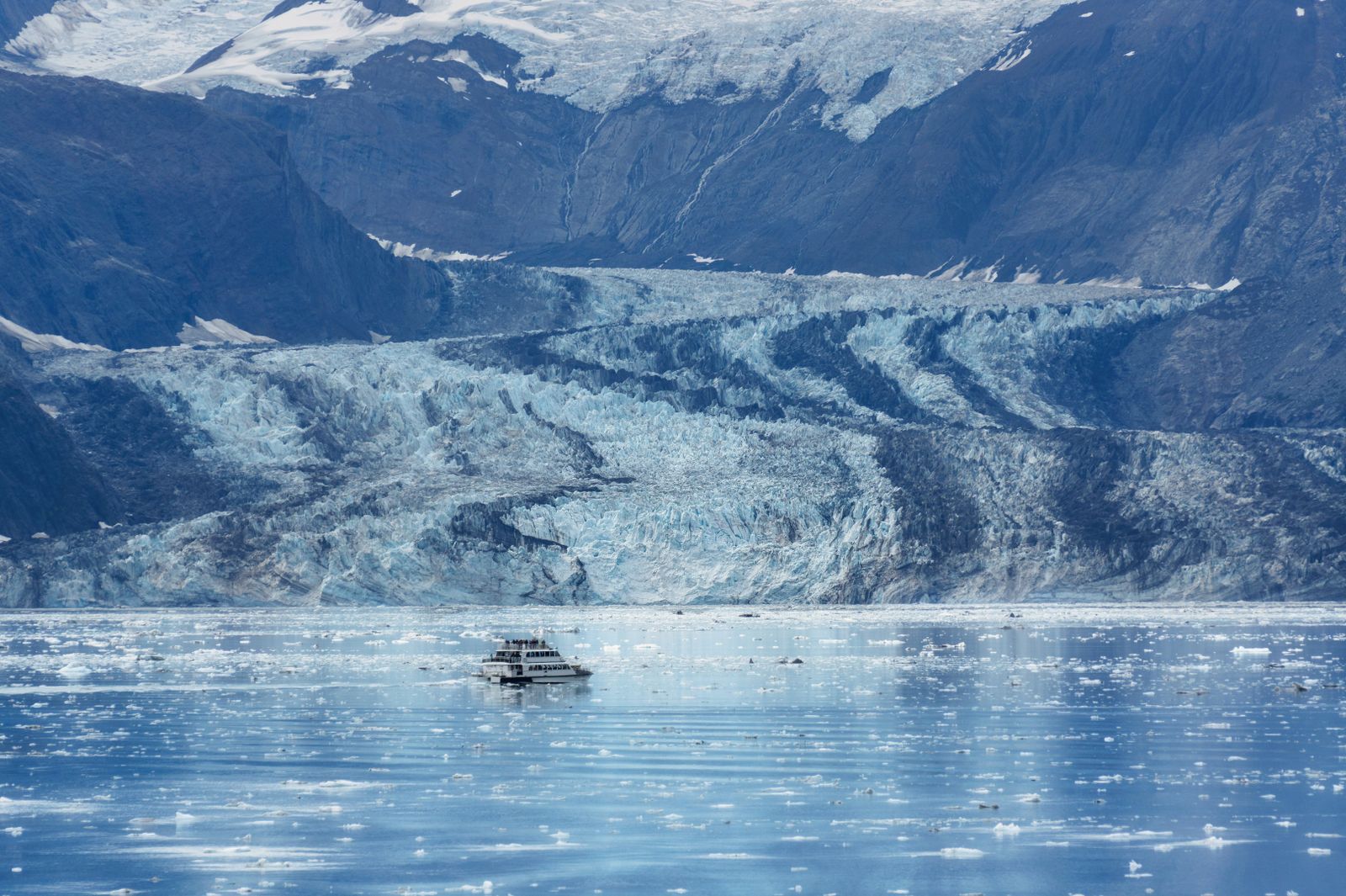
Glaciers calving off the bow, whales off the beam, and a season only four months wide, so the good ships sell out first.
Alaska is the itinerary where the ship choice matters most. Roundtrips out of Seattle or Vancouver trace the Inside Passage (sheltered water, forested channels, port days in the panhandle towns), while one-way sailings between Vancouver and the Anchorage gateways cross the Gulf of Alaska and reach the marquee tidewater glaciers. The one-way routing costs more in flight logistics and repays it in scenery; it is the version most travelers mean when they picture Alaska.
The season runs May to September, and the edges are underrated: May brings snow still low on the peaks and the year’s driest weeks, September brings northern-lights chances and shoulder pricing. July and August maximize daylight and salmon runs, and demand. Small and mid-size luxury ships earn their premium here, slipping into fjords and holding longer at the glacier faces where the big ships take a distant pass.
Because most Alaska sailings are one-way or start far from home, the air planning is half the trip: open-jaw flights into Vancouver and out of Anchorage, a pre-cruise night to absorb any delay, and transfers timed to the ship. That is precisely the itinerary shape Biirdee’s flight desk builds daily, often in business class for less than the cruise line’s own air program quotes.
Season
May to September
Typical Length
7 to 14 nights
15 Lines Sail It
Regent Seven Seas Cruises, Silversea Cruises, Seabourn, Oceania Cruises and more
Planning
Planning Alaska Cruises
When to Go
May for dry weather and first-of-season pricing, late June to mid-August for peak wildlife and daylight, September for auroras and value. The whole season is barely twenty weeks; book the specific ship you want early.
Inside Passage or Cross-Gulf
Roundtrip Inside Passage sailings are simpler on flights and still deliver the fjords and port towns. One-way cross-gulf routes add the great tidewater glaciers and pair naturally with a land extension toward Denali.
How Long to Sail
Seven nights covers the classic route. Ten to fourteen suits the one-way itineraries with a land stay bolted on, worth it if you are flying this far north at all.
Ship Size Strategy
Under about a thousand guests, ships tender less, dock closer to town centers, and linger at glacier faces. Expedition vessels go further still, launching zodiacs where nothing with a gangway can follow.
Where Alaska Sailings Start
Cruise Lines That Sail Alaska
FAQ
Alaska Cruises: FAQs
Which month is best for an Alaska cruise?
There is no single answer; May is driest and cheapest, July peaks for wildlife and warmth, September trades some weather for aurora chances and lower fares. Mid-June through mid-August is the safest all-around window for first-timers.
Should I cruise roundtrip from Seattle or one-way from Vancouver?
Roundtrips are easier and cheaper on air; one-ways between Vancouver and the Anchorage gateways see more of the coast, including the cross-gulf glacier scenery. If this is likely your one Alaska trip, the one-way with a Denali land extension is the fuller version.
Do luxury lines actually sail Alaska?
Yes. Regent, Silversea, Seabourn, Oceania, Viking, Cunard, Ponant and the premium big-ship lines all deploy ships there each summer, alongside true expedition operators. The luxury ships book out earliest because their Alaska capacity is a fraction of the mainstream fleet’s.
What should I budget beyond the cruise fare?
Flights to the embarkation coast, a pre-cruise hotel night, excursions (unless your line includes them) and any land extension. Excursions are where Alaska surprises people; flightseeing and small-boat trips are priced like the once-in-a-lifetime activities they are.
How does Biirdee handle the one-way flight problem?
We build the open-jaw ticket (into Vancouver, home from Anchorage, or the reverse), as one fare rather than two one-ways, add a buffer night before embarkation, and arrange the airport-to-pier transfer. Booked together, the air often costs less than the pieces booked separately.
Biirdee · Cruise Desk
Plan a Alaska Cruise
Tell us the rough dates and party: the desk shortlists the sailings that fit, then plans the rest of the trip around the one you pick.
Questions?[email protected]
Prefer to book it yourself at net fares?
Biirdee Pro members book flights & hotels at net rates: $100/mo, cancel anytime.