Aman vs Four Seasons vs Rosewood vs Mandarin Oriental vs Peninsula: An Honest Comparison
Five brands sit at the summit of hospitality, and none of them is "the best." Each is the best at a different trip; here is the whole map on one page.
By Biirdee Travel, Luxury Travel Concierge · Updated October 3, 2026
Ask which luxury hotel brand is the best and you will get a different answer from every well-traveled person you know, because the honest answer is that the top brands are optimized for different trips. Aman builds sanctuaries you disappear into. Four Seasons standardizes excellence across 130 addresses. Rosewood collects irreplaceable buildings. Mandarin Oriental and the Peninsula export Hong Kong's service grammar to the world's gateway cities. Biirdee books all of them at preferred-partner level, which gives us an unusually clear view of where each one actually wins, and where it doesn't.
This page is the consolidated version of the head-to-head guides we've already published; Aman vs Four Seasons, Aman vs Rosewood, Rosewood vs Four Seasons, and Peninsula vs Mandarin Oriental, with the cross-brand questions those pages can't answer alone: who really leads on spas, on service personalization, on suites, and on loyalty.
Updated October 2026: the page now carries our own numbers for ten brands, from the 100 most recent guest reviews at every hotel we could score to same-dates rate checks and Forbes 2026 ratings, plus a same-city table for the five headline brands.
Updated September 2026: the page now also maps the three tiers of luxury hospitality, who owns each brand and why that shapes how it behaves, what a night actually costs from the cheapest entry to the flagship ceiling, every loyalty program (and its absence), the best brand for each kind of trip and each region, and how Ritz-Carlton, St. Regis, Waldorf Astoria, Park Hyatt, Belmond, Cheval Blanc, One&Only and Six Senses fit around the five.
Key Takeaways
- No single "best" brand exists; Four Seasons is the strongest all-rounder, Aman the highest peak, Rosewood the icon collector, MO the spa-and-dining leader, Peninsula the consistency play.
- On our own numbers (1 October 2026), the Peninsula leads the five on recent guest reviews (9.26; 6.1% of guests under 7), Mandarin Oriental (9.21) edges Four Seasons (9.17) and Rosewood follows (9.14); Belmond (9.53) and Maybourne (9.40) beat all five.
- Entry rates as of September 2026: Aman ~$1,200–3,200+, Rosewood ~$450–1,400 in cities, Four Seasons ~$600–1,500 at most properties, MO and Peninsula ~$400–1,650 by city.
- For destination spa and wellness, Aman and Six Senses lead the industry; Mandarin Oriental runs the best city-hotel spa program anywhere.
- None of these five runs a points program; Aman and Four Seasons have no loyalty scheme at all, Rosewood Elite and PenClub are advisor-only, and Fans of M.O. is recognition-based, not points.
- Because loyalty can't decide it, the booking channel matters more: partner-level bookings add breakfast, credits and upgrade priority at the same rates as direct.
- Luxury hospitality has three tiers, not one: ultra-luxury sanctuaries (Aman, Cheval Blanc, One&Only (~$1,200+), global luxury flagships (Four Seasons, Rosewood, Mandarin Oriental, Peninsula, Belmond, Capella) ~$400–1,500), and points-tier luxury flags (Ritz-Carlton, St. Regis, Waldorf Astoria, Park Hyatt: ~$400–1,200, with a real loyalty currency).
- Cheapest way in: a Peninsula in Manila or Bangkok (~$200–500), a Mandarin Oriental Asian flagship (~$450–600), or an Aman in China (~$600–1,000). Most expensive: Amangiri at ~$3,700–9,400+ with meals included, and Cheval Blanc Paris from ~$2,000.
- Best brand by trip: Aman for honeymoons, Four Seasons for families, Rosewood for design-led city weekends, Mandarin Oriental for spa-and-dining, the Peninsula for business travel and first visits to Asia, and Ritz-Carlton or Park Hyatt when the stay has to earn points.
The Five Brands at a Glance
Figures are typical published entry rates as of September 2026 and vary by season and city. Each brand name links to our full portfolio guide.
| Brand | Properties | Typical entry rate | Personality | Loyalty | Best for |
|---|---|---|---|---|---|
| Aman | ~35 in 20 countries | ~$1,200–3,200+ | Seclusion, silence, hotel-as-destination | None | Honeymoons, resets, milestone trips |
| Four Seasons | ~130 in 47 countries | ~$600–1,500 (trophy hotels higher) | Polished consistency, anywhere in the world | None; Preferred Partner is advisor-only | Families, first-timers, broad coverage |
| Rosewood | 42, growing fast | ~$450–1,400 city; $1,000+ resorts | "A Sense of Place": every hotel different | None; Rosewood Elite is advisor-only | Icon addresses, design-led city stays |
| Mandarin Oriental | ~46, ~25 more in the pipeline | ~$400–1,500 by city | Asian service grammar, spa-and-dining led | Fans of M.O. recognition, not points | Spa devotees, city dining, Asia flagships |
| The Peninsula | 12, all majority-owned | ~$400–1,650 by city | Owned, patient, no weak entries | None; PenClub is advisor-only | Consistency seekers, gateway-city icons |
The Thirteen Brands on Our Own Numbers (October 2026)
Opinions are cheap, so we measured. On 1 October 2026 we priced the same stays at every hotel of ten luxury brands through our own booking engine (the one behind hotels.biirdee.com), and on 3 October three more (Capella, One&Only and Waldorf Astoria), and we scored the 100 most recent verified guest reviews at every hotel with enough of them: the mean out of 10, the share of guests scoring 9 or more, and the share scoring under 7, the disappointment rate. Rates are the lowest per night the engine charged at booking; taxes a hotel collects at checkout are extra. Here is the whole league on one table, including the eight brands outside the big five.
How Thirteen Luxury Brands Compare on Our Numbers
Our own numbers: the 100 most recent verified reviews at every hotel with enough of them on our booking platform, the Forbes Travel Guide 2026 ratings, and the lowest rate per night on the same three stays (10–13 Nov 2026, 12–15 Mar 2027, 15–18 Jul 2027) at every hotel each brand had on sale. Ten brands were pulled on 1 October 2026; the three marked * (Capella, One&Only and Waldorf Astoria) on 3 October 2026. Aman and Cheval Blanc sell too few rooms online to score. "Not comparable" means the brand's breakfast and room-only rates were sold as different packages, so the gap is not what breakfast costs.
| Brand | Recent guest score | Guests 9+ | Guests under 7 | Forbes Five-Star hotels | Median lowest rate (Nov / Mar / Jul) | Breakfast for two adds |
|---|---|---|---|---|---|---|
| Capella * | 9.69 (4 hotels) | 93% | 2.8% | 5 of 7 | $969 / $841 / $684 | Not comparable |
| Belmond | 9.53 (15 hotels) | 89% | 4.7% | 7 of 18 | $941 / $877 / $1,238 | $114–142 |
| Maybourne | 9.40 (4 hotels) | 88% | 5% | 5 of 6 | $1,240 / $1,144 / $1,438 | $112–184 |
| One&Only * | 9.30 (9 hotels) | 83% | 6% | 6 of 12 | $1,223 / $1,320 / $1,414 | Not comparable |
| The Peninsula | 9.26 (9 hotels) | 85% | 6.1% | 8 of 12 | $1,114 / $734 / $788 | $67–123 |
| Mandarin Oriental | 9.21 (31 hotels) | 82% | 6.9% | 27 of 40 | $740 / $704 / $812 | $124–200 |
| Four Seasons | 9.17 (72 hotels) | 82% | 8.2% | 42 of 115 | $838 / $806 / $789 | $68–247 |
| Rosewood | 9.14 (14 hotels) | 80% | 8.8% | 11 of 36 | $1,058 / $908 / $943 | $161–225 |
| Dorchester Collection | 9.14 (3 hotels) | 82% | 10.7% | 5 of 10 | $1,446 / $2,000 / $1,667 | $79–89 |
| Waldorf Astoria * | 8.93 (31 hotels) | 78% | 11.5% | 7 of 34 | $434 / $420 / $442 | $54–59 |
| Ritz-Carlton | 8.89 (62 hotels) | 76% | 12.3% | 21 of 106 | $615 / $663 / $676 | $74–88 |
| Aman | Too few reviews | Not scored | Not scored | 1 of 19 | Too few on sale to compare | $112–117 |
| Cheval Blanc | Too few reviews | Not scored | Not scored | 3 of 6 | Too few on sale to compare | $76–120 |
Three things stand out. First, the best guest scores belong to brands outside the big five: Capella (9.69, though only four of its hotels have a full recent sample), Belmond (9.53, with fewer than one guest in twenty scoring under 7) and Maybourne (9.40 across Claridge's, the Connaught, the Berkeley and Beverly Hills), with One&Only (9.30) close behind. Second, among the five brands this page compares, the Peninsula leads on every review measure (9.26, and 6.1% under 7), Mandarin Oriental edges Four Seasons (9.21 against 9.17) and Rosewood sits just behind (9.14). Third, price and satisfaction do not move together: Dorchester Collection is the most expensive brand we could price yet sits in the lower half on guest scores, with 10.7% of guests under 7 (on only three hotels with enough recent reviews), while Waldorf Astoria and Ritz-Carlton are the two cheapest and the two lowest-scoring, with more than one guest in nine scoring under 7.
The awards column tells its own story. The Peninsula has Forbes Five-Star ratings at two-thirds of its hotels and Mandarin Oriental at 27 of the 40 it has rated; Four Seasons, a far larger system, at 42 of 115. Aman, the brand most travelers would call the summit, holds just one Five-Star among the 19 hotels Forbes rated in 2026, a reminder that Aman's hotels are built for privacy rather than inspection checklists. And the two brands that sell almost nothing online, Aman and Cheval Blanc, are exactly the ones where the booking channel decides whether you get a room at all: we could price only 4 of 31 Amans, and only Cheval Blanc Paris among the six maisons.
The 2026 Awards, Brand by Brand
Three MICHELIN Keys is Michelin's top hotel distinction (2026 selection, announced 18 September 2026); counts are the hotels confirmed in dated national lists, so brands with hotels in countries without a full published list may hold more. The 50 Best Hotels 2026: hotels in the top 50 and in the extended top 100. Forbes: Five-Star hotels among those Forbes Travel Guide rated in 2026.
| Brand | Three MICHELIN Keys (2026) | The 50 Best Hotels 2026 (top 50 / top 100) | Forbes Five-Star hotels (2026) |
|---|---|---|---|
| Four Seasons | 9 | 4 / 6 | 42 of 115 |
| Aman | 7 | 3 / 6 (with Janu Tokyo) | 1 of 19 |
| Rosewood | 6 (of 39 keyed hotels) | 4 / 7, including No. 1, Rosewood Hong Kong | 11 of 36 |
| Belmond | 4 | 3 / 6 | 7 of 18 |
| Dorchester Collection | 4 (all 10 hotels keyed) | 1 / 3 | 5 of 10 |
| Mandarin Oriental | 4 | 2 / 4 | 27 of 40 |
| Ritz-Carlton | 4, all Ritz-Carlton Reserves | 0 / 1 | 21 of 106 |
| Cheval Blanc | 4 (all six maisons keyed) | 1 / 1 | 3 of 6 |
| Maybourne | 2 (all six hotels keyed) | 2 / 3 | 5 of 6 |
| The Peninsula | 1 | 2 / 3 | 8 of 12 |
The awards and the guest scores agree more than they disagree, with two instructive exceptions. Aman, nearly invisible to Forbes, is second only to Four Seasons on Michelin's top tier with seven Three-Key hotels from a portfolio of about 35, and Cheval Blanc holds Three Keys at four of its six maisons: the inspectors who reward a sense of place clearly rate both. And Rosewood, joint sixth of the eight brands on our guest scores, is the 50 Best's favorite: Rosewood Hong Kong is No. 1 for the second year running and the group won the list's Most Admired Hotel Group award for 2026. The Peninsula runs the other way: the most consistent of the big five with guests and two-thirds Forbes Five-Star, but only one confirmed Three-Key hotel (London).
Same City, Same Dates: The Five Brands Head to Head
Each cell: the hotel's recent guest score (mean of its 100 most recent verified reviews, out of 10), then its lowest rate per night for 10–13 Nov 2026, priced through our booking engine on 1 October 2026. † marks an older review window. "No hotel" means the brand has no hotel in that city.
| City | Four Seasons | Rosewood | Mandarin Oriental | The Peninsula | Aman |
|---|---|---|---|---|---|
| Hong Kong | 9.36 · $1,072 | 9.41 · $3,128 (suites only) | 9.86 · $988 | 9.46 · $816 | No hotel |
| Tokyo | Otemachi 9.57 · $1,087 | No hotel | 9.53 · $1,360 | 9.46 † · $1,479 | Too few reviews · $4,177 (suites only) |
| Paris | George V 9.43 † · $2,459 | Crillon 9.54 † · $2,094 | 9.00 † · $1,573 | 9.60 † · $1,796 | No hotel |
| London | Park Lane 9.00 · $1,128; Ten Trinity Square 9.28 · $875 | 8.73 · $948 | Hyde Park 9.12 · $1,135 | 9.43 · $1,675 | No hotel |
| New York | Downtown 9.07 · $1,738 | The Carlyle 9.32 · $2,104 | 8.78 · $1,378 | 8.87 · $2,331 | Too few reviews · $4,471 |
| Bangkok | 9.65 · $681 | 9.40 · $336 | 9.58 · $659 | 9.20 · $320 | Not in our checks |
| Istanbul | Sultanahmet 9.45 · $778; Bosphorus 9.19 · $828 | No hotel | Bosphorus 9.23 · $943 | 9.56 † · $828 | No hotel |
City by city, the order reshuffles, which is the real argument against a single "best brand". Mandarin Oriental owns Hong Kong, with the best-reviewed hotel on this table. Four Seasons wins Tokyo (Otemachi) and Bangkok. The Peninsula wins London and, on older reviews, Paris and Istanbul. Rosewood wins New York, because the Carlyle is the Carlyle. The price column reshuffles too: in Bangkok the Peninsula and Rosewood cost about half what Four Seasons and Mandarin Oriental charge on the same nights, and in New York the Peninsula was the most expensive of the four brands we could score. Aman sits in a different price world wherever it competes: on our November dates its cheapest offers were $4,177 a night in Tokyo (a suite; the rooms were gone) and $4,471 in New York, two to three times the most expensive rival on the same nights.
The City Winners on Our Numbers
The best-reviewed hotel of the five brands in each city of the table above, with live rates.

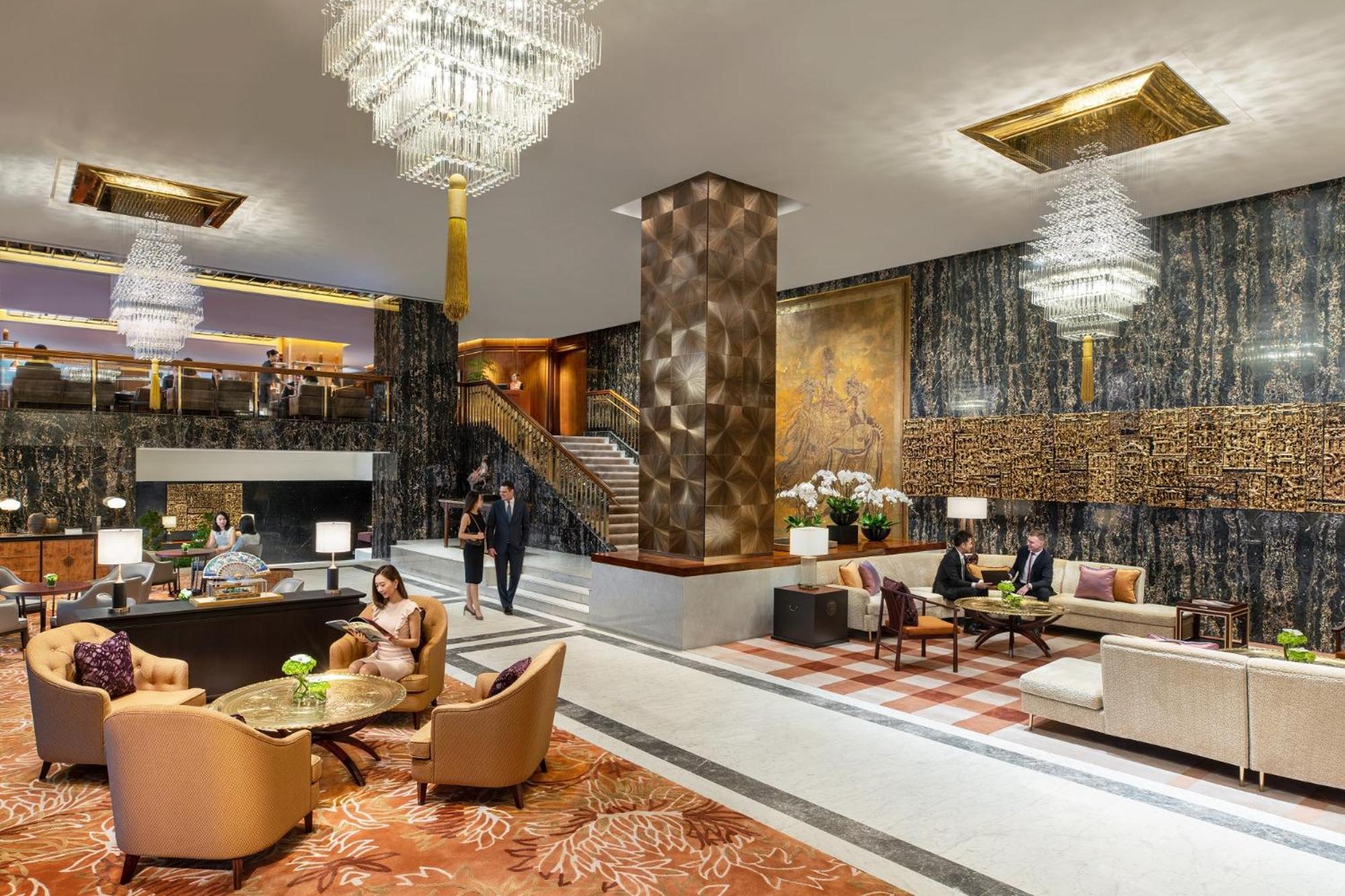


Mandarin Oriental, Hong Kong
Central, Hong Kong
9.8Exceptional · 1,082 guest reviewsThe best-reviewed hotel on our same-city table: 9.86 out of 10 across its 100 most recent reviews, with 97% of guests scoring 9 or more. $988 a night on our November check.
Guests praiseExcellent ServiceAmazing Food and Beverage

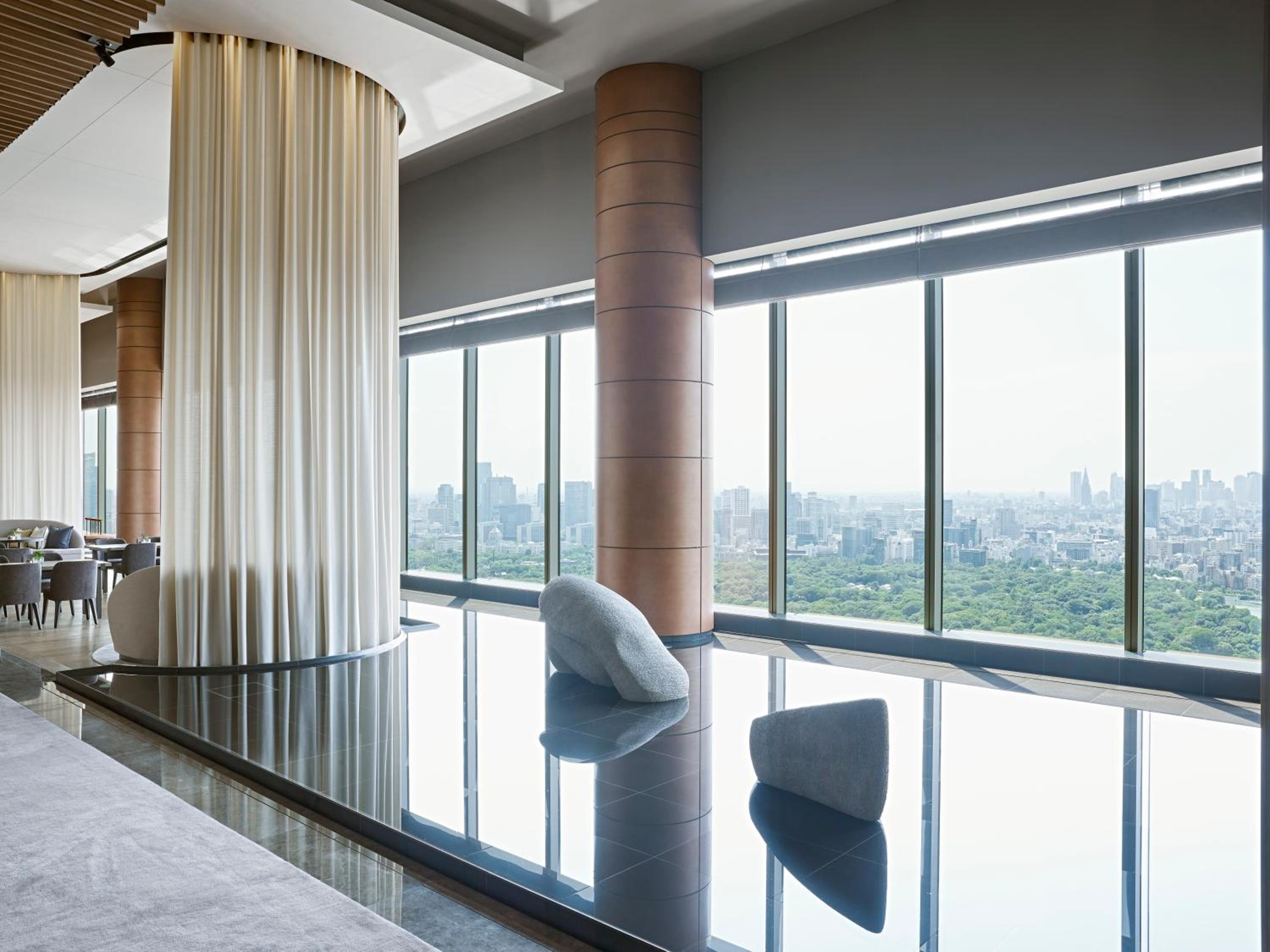
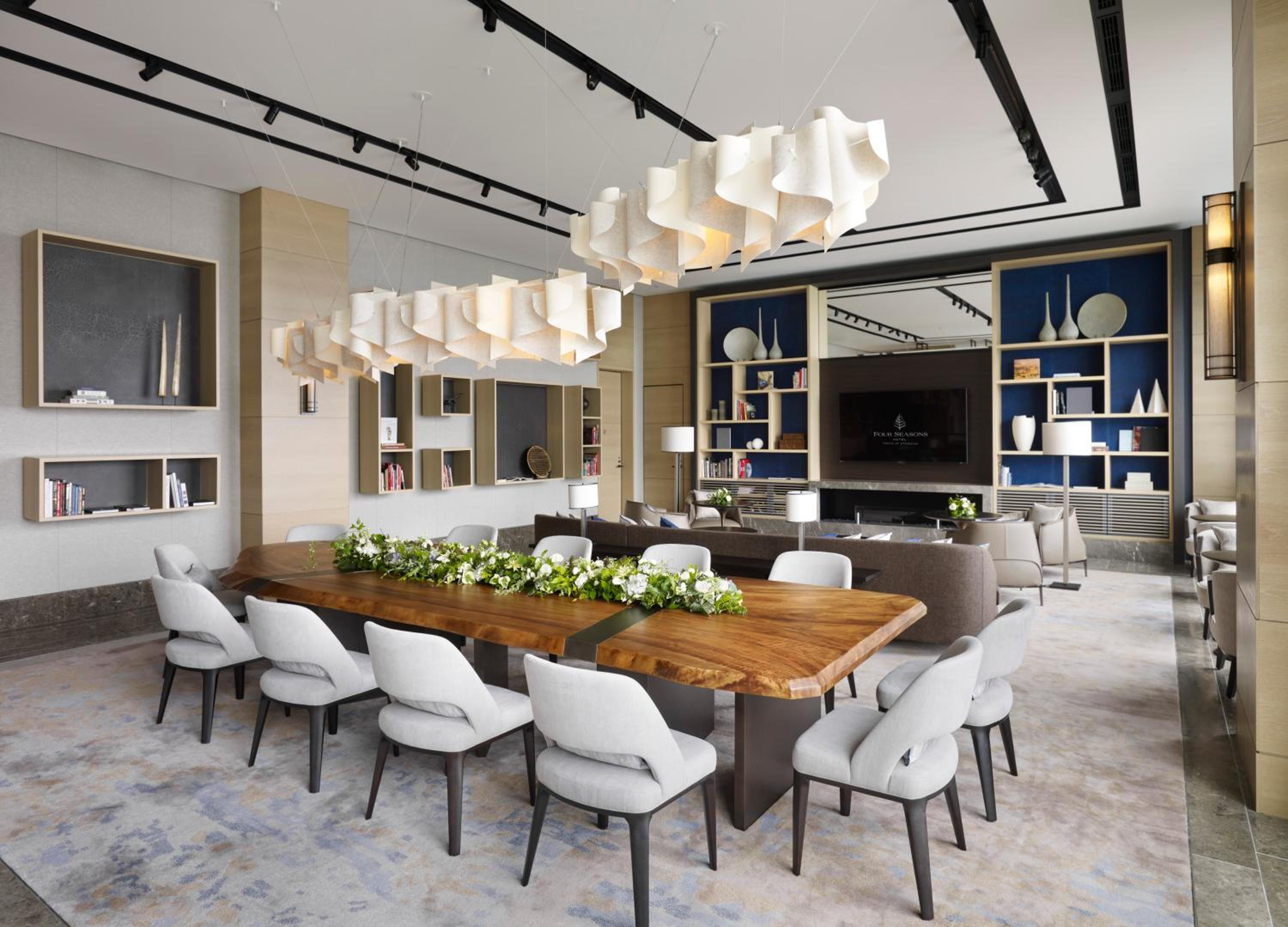

Four Seasons Hotel Tokyo at Otemachi
Otemachi, Tokyo
9.4Excellent · 652 guest reviewsTokyo's winner on our numbers at 9.57, ahead of Mandarin Oriental (9.53) and the Peninsula (9.46 on older reviews). $1,087 a night on our November check.
Guests praiseGreat viewsExceptional serviceDelicious food
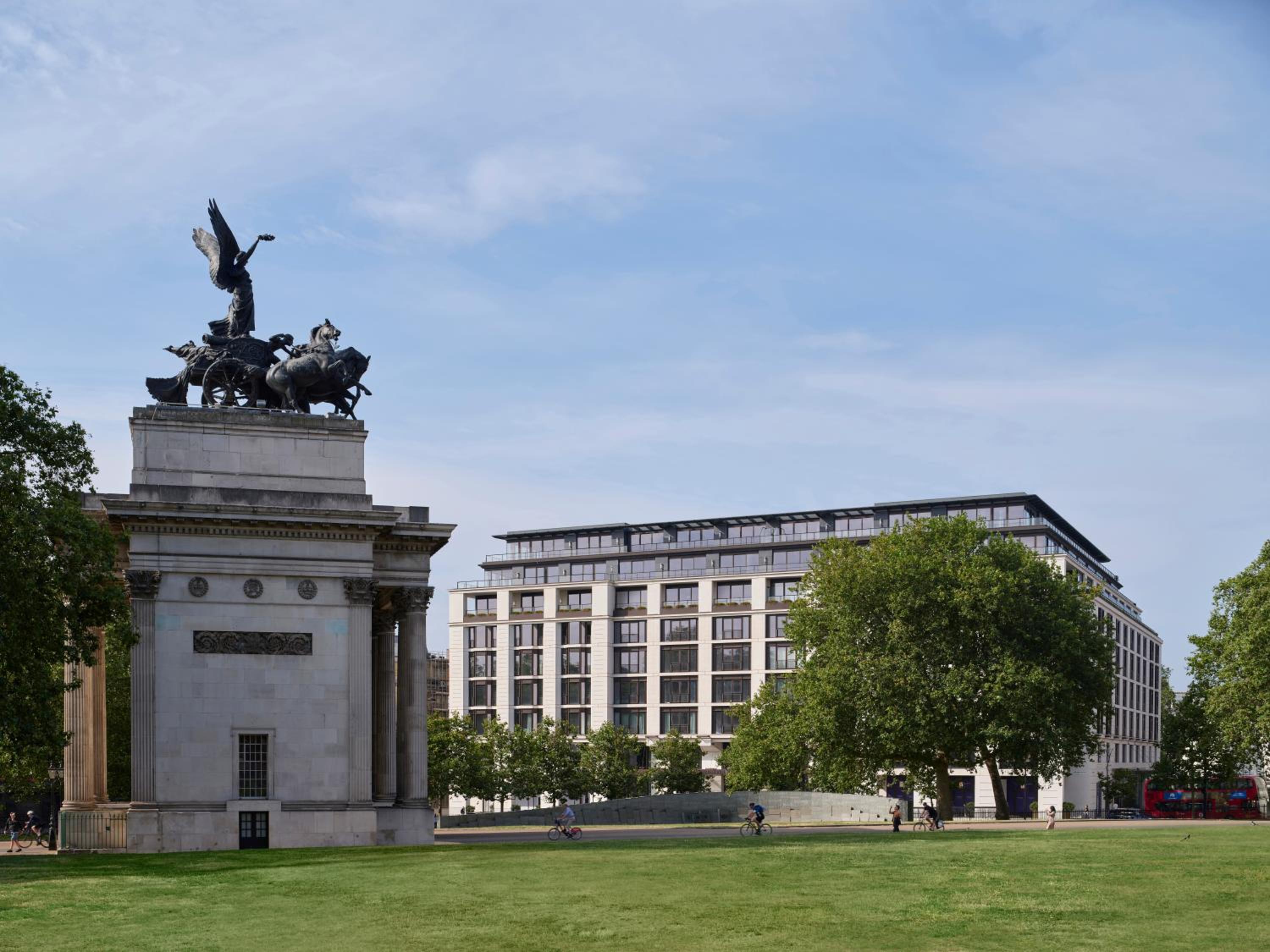
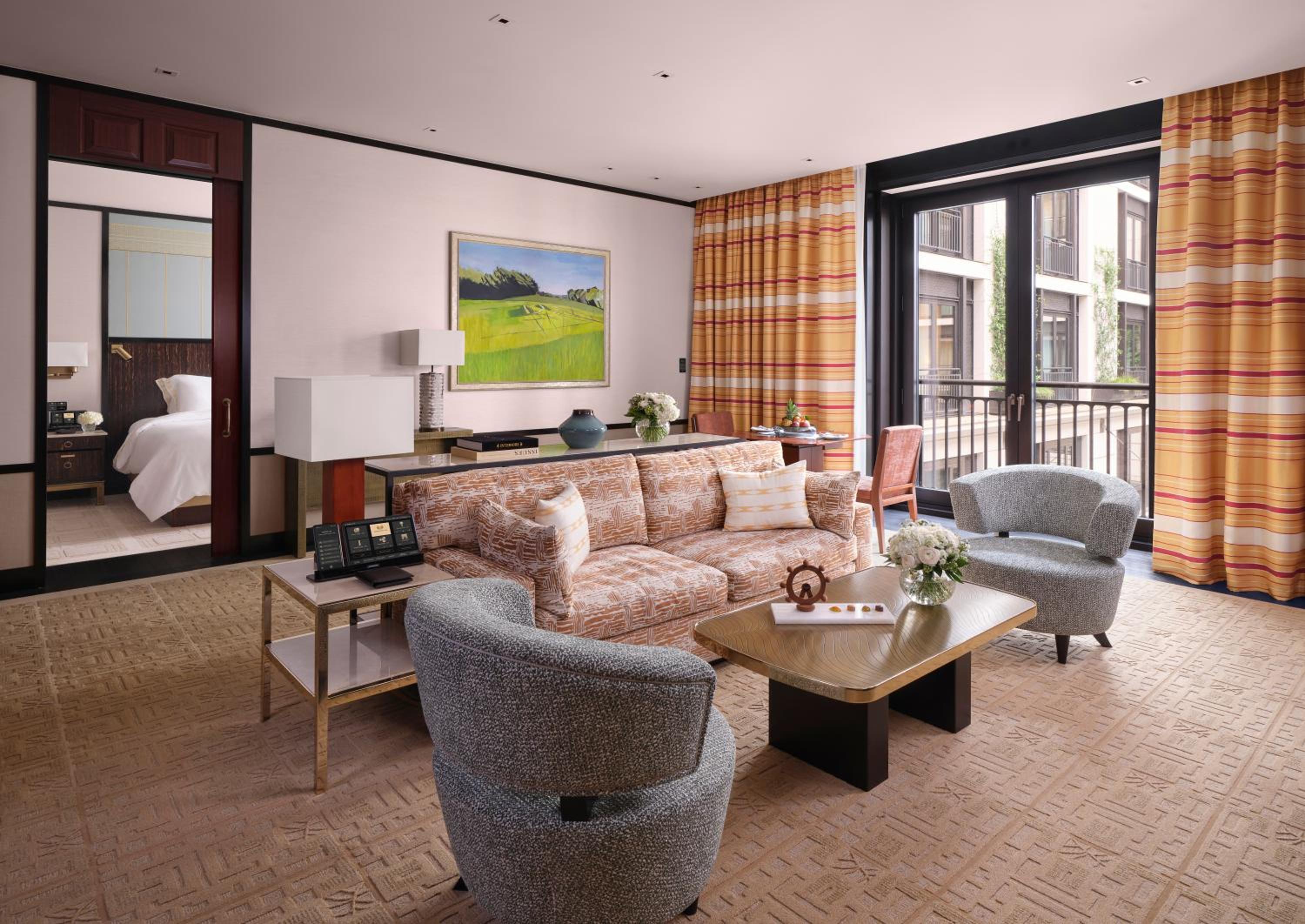
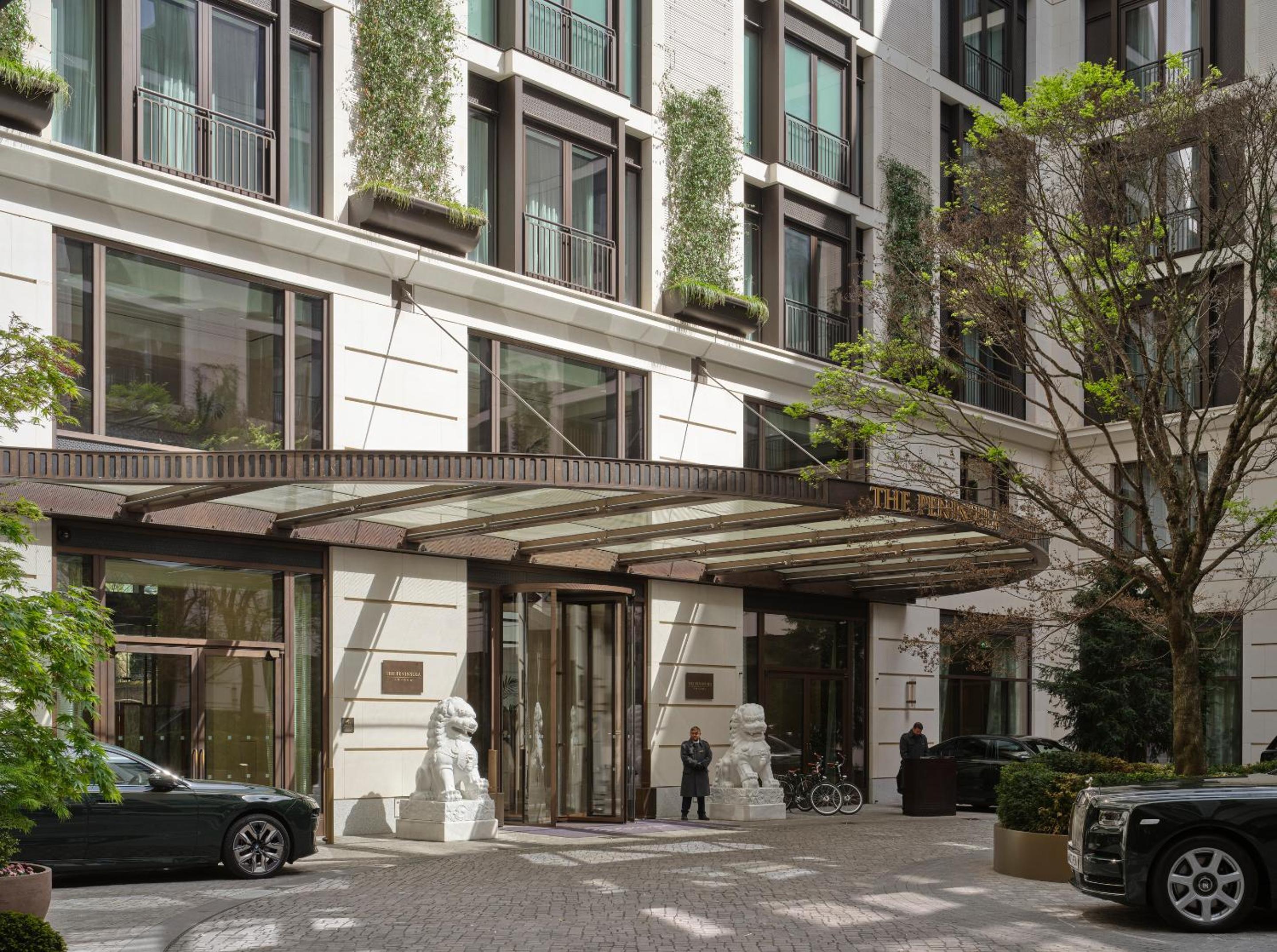
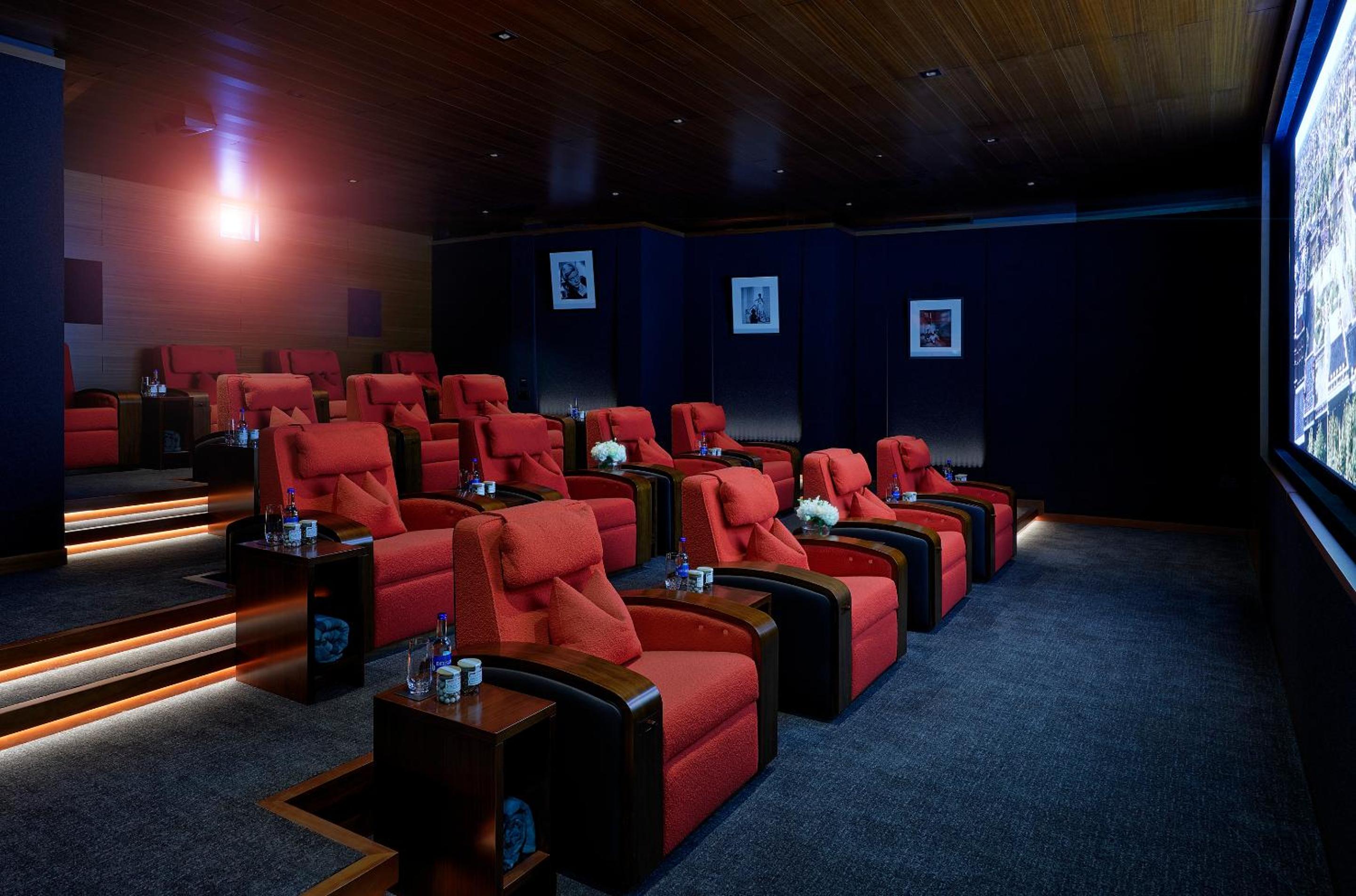
The Peninsula London
Belgravia, London
9.5Exceptional · 285 guest reviewsLondon's winner among the five brands at 9.43, with 90% of guests scoring 9 or more. $1,675 a night on our November check.
Guests praiseExceptional serviceClean and spacious roomsGreat location
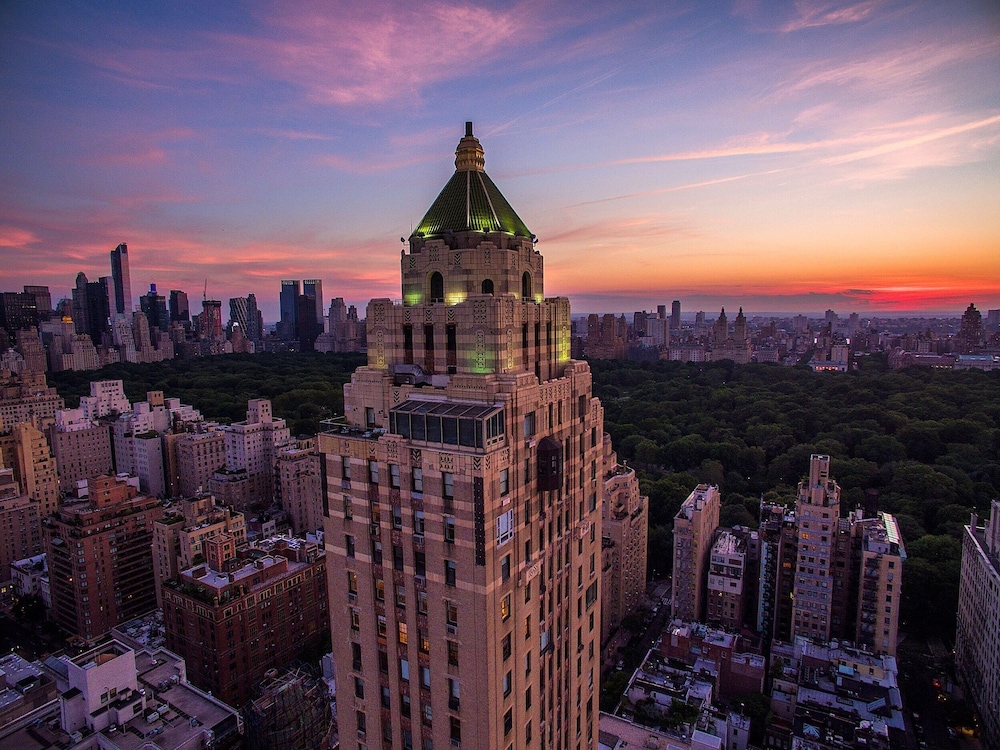
The Carlyle, A Rosewood Hotel
Upper East Side, New York
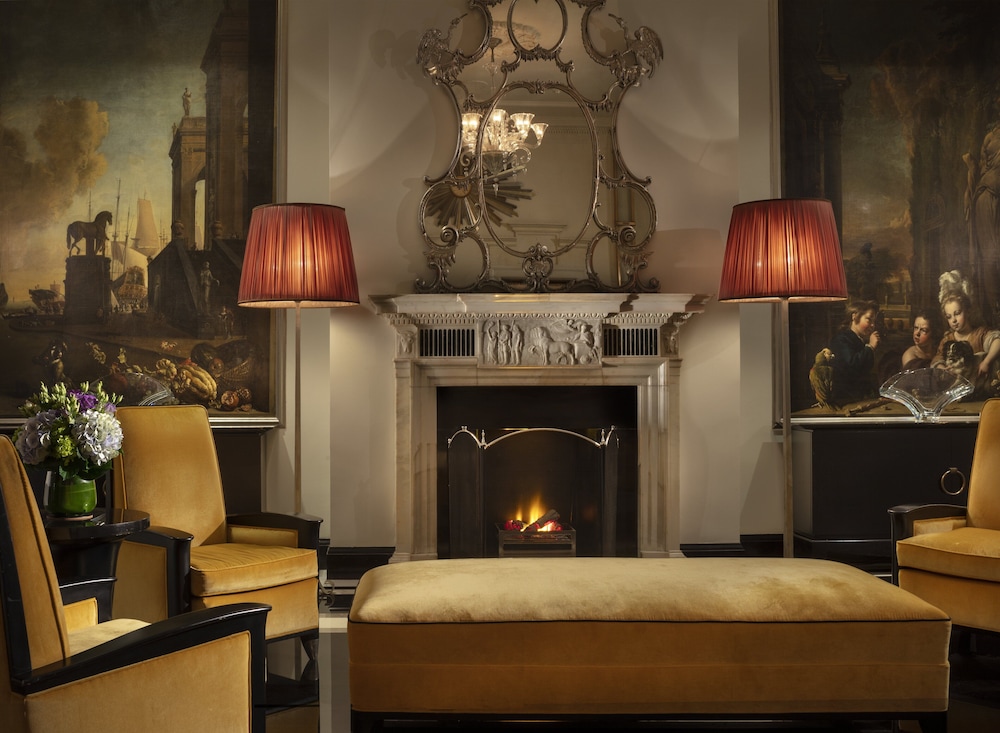
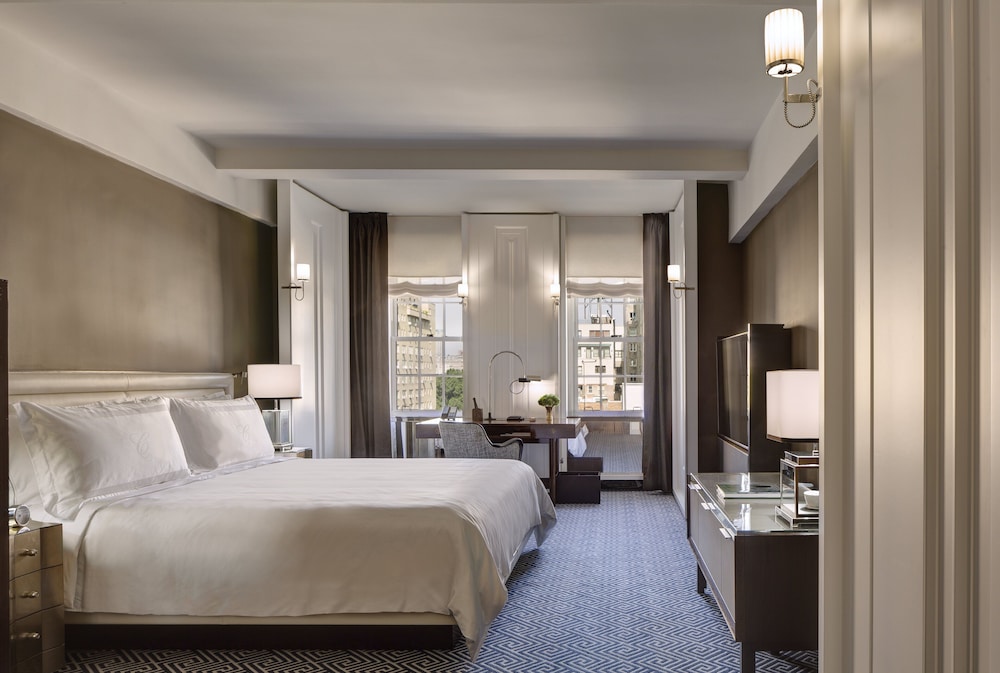
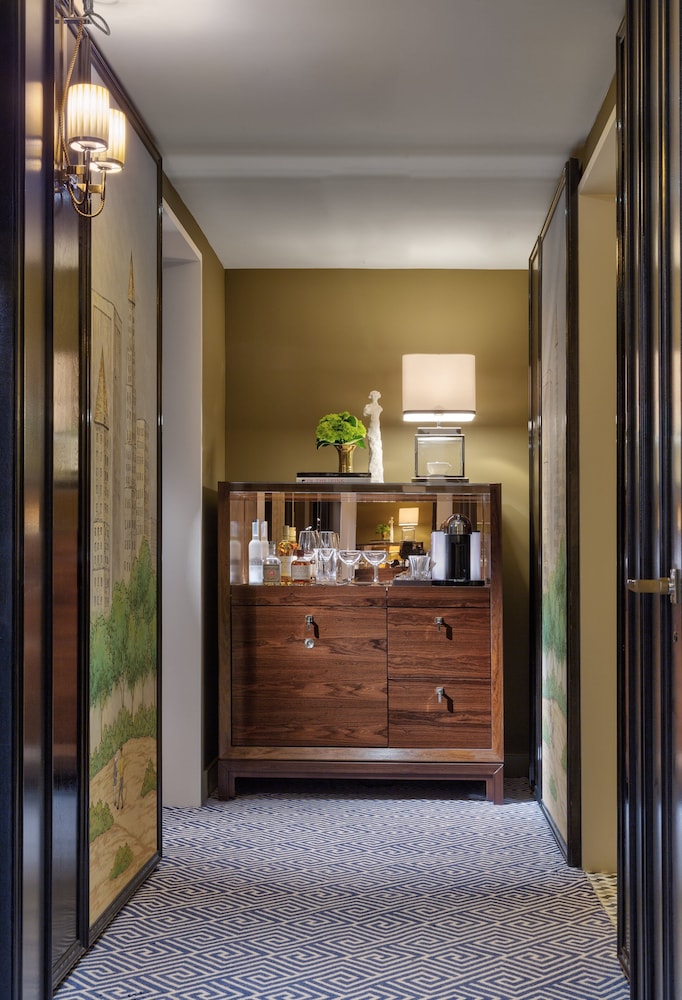
9.2Excellent · 154 guest reviewsNew York's winner among the five brands at 9.32, ahead of Four Seasons Downtown (9.07) and the Peninsula (8.87). $2,104 a night on our November check.
Guests praiseExcellent serviceGreat food and beverage options


Four Seasons Hotel Bangkok at Chao Phraya River
Chao Phraya riverfront, Bangkok
9.6Exceptional · 908 guest reviewsBangkok's winner at 9.65, with 95% of guests scoring 9 or more, narrowly ahead of Mandarin Oriental (9.58). $681 a night on our November check.
Guests praiseFriendly staffComfortable roomGreat location
Service Personalization and Suite Quality: Four Seasons vs Rosewood vs Regent
A question we hear often is how Regent, Four Seasons, and Rosewood compare on service personalization and suite quality, and it deserves an honest answer, starting with the footprint gap. Four Seasons personalizes at industrial scale: guest preferences follow you across ~130 hotels, and the system rarely misses. It is personalization as engineering: reliable everywhere, spectacular nowhere in particular. Rosewood personalizes residentially: fewer scripts, more latitude for individual staff, and at flagships like the Carlyle or Rosewood Hong Kong the service feels like belonging to a very good private house. The trade-off is variance; Rosewood's floor across 42 hotels is lower than Four Seasons' floor across 130, a theme we unpack fully in Rosewood vs Four Seasons.
Regent is the asterisk. Revived under IHG as its ultra-luxury flag, the brand today runs only around a dozen hotels, so brand-wide comparisons flatter it less than its best addresses deserve. Regent Hong Kong's harbour-front suites are genuinely among Asia's finest hardware, and the Carlton Cannes reboot is serious, but the bench is thin, personalization depth varies with each property's (often new) team, and the brand identity is still being rebuilt. Regent's one structural advantage over the other two: it participates in IHG One Rewards, so stays earn and burn real points; something neither Four Seasons nor Rosewood offers.
On pure suite quality: Four Seasons is the most consistent, Rosewood's are the most characterful (no two alike, by design), and Regent's top-end suites in Hong Kong compete with anything in this article, as long as you're in one of the few cities where Regent actually flies its flag.
Spa and Wellness: Which Brands Actually Lead
Which luxury hotel brands have the most respected spa and wellness facilities? For destination wellness, where the spa is the point of the trip, Aman and Six Senses lead the industry, and it isn't close. Aman builds vast sanctuaries with hydrotherapy circuits and multi-day immersions wrapped in the world's calmest hospitality; Six Senses runs deeper structured programs (sleep science, longevity diagnostics) at roughly half Aman's rate. We compare the two directly in Aman vs Six Senses, and our Aman pricing guide covers what those wellness immersions actually cost.
For city-hotel spas, Mandarin Oriental runs the best program in hospitality, brand-wide; its urban spas (London, Hong Kong, Bangkok) are destinations in their own right, not amenities. The Peninsula's spas in Hong Kong and Paris compete at the individual-property level, and Four Seasons' are reliably good without being the reason you chose the hotel. Rosewood's Asaya spa concept is ambitious and growing but not yet the category leader. So the honest hierarchy: Aman and Six Senses for the wellness trip, Mandarin Oriental for the best spa attached to a city stay.
Mandarin Oriental vs Raffles vs Peninsula
Another three-way we're asked about constantly. All three descend from grand Asian hotel traditions, but they've diverged: Mandarin Oriental manages ~46 hotels with the strongest spa-and-dining program of the trio; the Peninsula owns its twelve outright and opens roughly one per decade, which buys near-absolute consistency; Raffles, under Accor, is the heritage grande-dame flag: butler service for every guest, and the only one of the three with a genuine points program (Accor's ALL), though its portfolio of ~two dozen addresses carries more variance than either rival.
City by city: Hong Kong is the Peninsula for the 1928 icon, with MO holding the dining crown at the Landmark. Singapore belongs to Raffles; the suite-only colonial legend is the city's heritage crown. London is the most interesting fight in hospitality right now: Raffles at The OWO, the Peninsula's 2023 build, and Mandarin Oriental's two addresses all opened or refreshed within a few years, and the right answer depends on whether you want theatre (Raffles), hardware (Peninsula), or Hyde Park and the spa (MO). Bangkok is Mandarin Oriental's 1876 Oriental, decisively. For the full two-brand deep dive, see Peninsula vs Mandarin Oriental.
Which Brand for Which Trip
Honeymoon or milestone reset: Aman, in a category of one; privacy and place are its core products, and nothing in the other portfolios competes with Amangiri's desert or Amanpulo's private island. Our guides to the best and most affordable Amans map the portfolio; Aman vs Four Seasons covers when the answer flips.
Family trip: Four Seasons as the default, its kids' programs, pools, and flexible suite inventory are the industry benchmark, at roughly half Aman's entry price. A stylish city weekend: Rosewood, whose Carlyle-and-Crillon icon collection puts you at the social center of town (Aman vs Rosewood explains the philosophical split). A wellness-first trip: Aman or Six Senses, per the spa section above. A gateway-city business or first-visit stay where nothing can go wrong: the Peninsula, whose twelve owned hotels have no weak entries. A spa-and-dining city immersion, especially in Asia: Mandarin Oriental.
And because none of these brands lets you buy status with points, the channel is the real loyalty program. Booked through a preferred-partner agency like Biirdee, all five attach daily breakfast, ~$100 property credits, upgrade priority, and flexible check-in/out at the same rates as booking direct: mechanics we walk through in how to book Aman hotels, and which work the same way across the other four. We then pair the stay with negotiated and unpublished business and first class fares sourced by our fare specialists, so the flights and the suite are priced as one trip.
The Three Tiers of Luxury Hotel Brands
"Luxury hotel brand" covers a $200 night in Manila and a $9,000 night in the Utah desert, so the useful first cut is by tier, and the tiers are set by rate, key count and staff density, not by whose marble is nicer. The framework below is Biirdee's own, built from booking every brand on it; other advisors draw the lines slightly differently, and individual hotels cross them constantly. The independent Ritz Paris (not a Ritz-Carlton), Park Hyatt Tokyo and the St. Regis Bora Bora all trade at tier-one prices under other tiers' flags.
Luxury Hotel Brand Tiers at a Glance
Entry rates are typical published shoulder-season rates as of September 2026, before taxes.
| Tier | Brands | Typical entry rate | Loyalty | What defines it |
|---|---|---|---|---|
| Tier 1: Ultra-luxury sanctuaries | Aman, Cheval Blanc, One&Only, Ritz-Carlton Reserve, Rosewood's resort tier, the marquee Oetker Collection houses | ~$1,200–3,200+ | None: advisor perks only | Small key counts, remote or trophy sites, staff-to-guest ratios the big chains cannot match; the hotel is the destination |
| Tier 2: Global luxury flagships | Four Seasons, Mandarin Oriental, Rosewood, The Peninsula, Belmond, Capella, Dorchester Collection, Six Senses, Raffles | ~$400–1,500 | Mostly none: Six Senses (IHG One Rewards) and Raffles (ALL Accor) are the points exceptions | Landmark city addresses and resorts of 100–400 rooms; the highest service floor in hospitality |
| Tier 3: Points-tier luxury | Ritz-Carlton, St. Regis, Waldorf Astoria, Park Hyatt, Edition, Conrad, Regent, JW Marriott | ~$400–1,200 | Marriott Bonvoy, Hilton Honors, World of Hyatt, IHG One Rewards | Big-chain luxury flags: more hotels, more variance, and elite status and points that actually work |
Read the tiers as a map of price and consistency, not a ranking of quality: a great Tier 3 hotel beats an average Tier 2 hotel every night of the week, and the best Peninsula or Four Seasons suite out-hardwares most Amans. The practical sequence is to pick the tier by budget and by whether points matter, pick the brand by the trip (the table further down), and pick the individual hotel from the city guide, because in Hong Kong, London, Paris, Tokyo and New York all three tiers compete on the same streets.
Who Owns Each Brand, and Why It Matters
Ownership explains behaviour better than any brochure does. The Peninsula opens one hotel a decade because a single family owns every building; Four Seasons is identical everywhere because it owns almost nothing and sells owners a system; Rosewood grows fast because a Hong Kong conglomerate funds it; Aman charges what it charges because scarcity is the product. Here is who sits above each of the five.
Ownership and Heritage of the Five Brands
| Brand | Founded | Parent / controlling owner | Operating model | What it means for guests |
|---|---|---|---|---|
| Aman | 1988: Amanpuri, Phuket (Adrian Zecha) | Aman Group, chaired by Vlad Doronin | Mix of owned and managed properties; sister brand Janu | Tiny key counts and the industry's highest rates; growth is slow and expensive by design |
| Four Seasons | 1961: Toronto (Isadore Sharp) | Cascade Investment (Bill Gates) with Kingdom Holding | Pure management company: owns almost none of its hotels | One standard across ~130 owners' buildings; the highest floor in hospitality |
| Rosewood | 1979: The Mansion on Turtle Creek, Dallas | New World Development / Chow Tai Fook (the Cheng family, Hong Kong) | Mostly managed; five openings within about a year | Well-funded expansion into icon buildings; "A Sense of Place" means variance is a feature, not a bug |
| Mandarin Oriental | 1876 (The Oriental, Bangkok) and 1963 (the Mandarin, Hong Kong); merged 1985 | Jardine Matheson group (Hong Kong) | Management-led, with ~25 hotels in the pipeline | Asian service culture exported to Europe and the Americas; the deepest spa and dining bench |
| The Peninsula | 1928: The Peninsula Hong Kong | The Hongkong and Shanghai Hotels, Limited (the Kadoorie family) | Owner-operator; owns or co-owns, and runs, all 12 hotels | Roughly one opening a decade, ten-year build-outs, no weak entries |
The wider map follows the same logic. Marriott sits above Ritz-Carlton, St. Regis, Edition and the Bulgari hotels it operates with LVMH; Hilton above Waldorf Astoria and Conrad; Hyatt above Park Hyatt and Alila; IHG above Six Senses and Regent; Accor above Raffles, Fairmont and Sofitel Legend. LVMH owns Cheval Blanc outright and bought Belmond in 2019; Kerzner owns One&Only; the Brunei Investment Agency owns the Dorchester Collection; Singapore's Kwee family (Pontiac Land) owns Capella; the Oetker family owns the Oetker Collection. The pattern that matters for a traveler: points exist exactly where a large listed hotel group sits above the brand, and do not exist where a family or a founder does.
What a Night Costs, Brand by Brand (September 2026)
The entry rate is the least interesting number about a brand; the spread between its cheapest door and its flagship ceiling tells you far more. All figures below are typical published rates for a standard room in shoulder season, before taxes, as of September 2026; peak dates run well above them.
The Price Ladder for Each Brand
| Brand | Cheapest way in | Typical entry rate | Flagship ceiling |
|---|---|---|---|
| Aman | The China Amans (Amanfayun, Amandayan, Amanyangyun), from ~$600–1,000 (cheapest Amans) | ~$1,200–3,200+ | Amangiri ~$3,700–9,400+ with meals included (Amangiri cost); Aman New York from ~$2,400 (Aman New York cost) |
| Four Seasons | Selected Asian and secondary-market hotels from ~$500 | ~$600–1,500 | Four Seasons George V, Paris from ~€2,000–2,600 (George V guide) |
| Rosewood | Asian city hotels from ~$450 | ~$450–1,400 city; $1,000+ resorts | Resort flagships (Las Ventanas, Mayakoba, Kona Village) run $1,000–4,000; the Carlyle and the Crillon sit at the top of their cities |
| Mandarin Oriental | Bangkok and Hong Kong flagships ~$450–600: the best value in the entire comparison | ~$400–1,500 by city | London (Hyde Park), Paris (Lutetia) and the Ritz Madrid at the top of the ladder |
| The Peninsula | Manila ~$200–300; Bangkok ~$350–500 | ~$400–1,650 by city | London (2023) from ~£1,300; Paris and New York close behind |
Two things the headline rates hide. First, inclusions: Amangiri's rate covers three meals a day, which narrows the real gap to a Four Seasons resort where breakfast, lunch and dinner for two add several hundred dollars; Peninsula and Mandarin Oriental rates include the least. Second, the channel: a partner-level booking adds a property credit, upgrade priority and breakfast where the rate does not already include it, at every brand here that runs a partner programme. The value plays, if the brand matters less than the standard, are Mandarin Oriental's and the Peninsula's Asian flagships, where the world's best-run hotels cost a third of their London and Paris siblings. Our guide to booking luxury hotels for less covers the rest of the toolkit.
Loyalty Programs, Brand by Brand
The single most-asked question about this tier is which luxury hotel brands have loyalty programs. The short answer: at the top of the market, almost none. Points exist where a large listed group sits above the brand; the family- and founder-owned brands offer recognition and advisor programs instead.
Luxury Hotel Loyalty Programs Compared
| Brand | Program | Earns points? | How you actually get the perks |
|---|---|---|---|
| Aman | None | No | Preferred-partner advisors: upgrade priority, ~$100+ credit, VIP recognition (Aman loyalty explained) |
| Four Seasons | None; Preferred Partner is advisor-only | No | Book through a Preferred Partner agency for breakfast, credit and upgrade priority at the direct rate |
| Rosewood | Rosewood Elite (advisor-only) | No | Elite bookings add breakfast, a property credit, upgrade priority and late checkout |
| Mandarin Oriental | Fans of M.O. (free, recognition-based) | No | Pick-two privileges when booking direct; the advisor Fan Club rate adds breakfast and ~$100 credit (Fans of M.O. guide) |
| The Peninsula | PenClub (advisor-only) | No | Breakfast, credit and upgrade priority through PenClub agencies (PenClub guide) |
| Dorchester Collection | Diamond Club (advisor-only) | No | Diamond Club bookings add breakfast, credit and upgrades |
| Belmond, Cheval Blanc, One&Only, Capella | None | No | Advisor partner programs (Belmond's Bellini Club, for one): same rate as direct, perks attached |
| Ritz-Carlton, St. Regis, EDITION | Marriott Bonvoy | Yes | Points and elite status (Platinum breakfast at St. Regis; Club Level is a paid category at Ritz-Carlton); STARS advisor bookings layer breakfast and credit on top |
| Bulgari | None: operated with Marriott but outside Bonvoy | No | STARS advisor bookings add breakfast, a ~$100 credit and upgrade priority |
| Waldorf Astoria, Conrad | Hilton Honors | Yes | Points plus Diamond benefits; Hilton for Luxury (formerly Impresario) advisor bookings add breakfast and credit (Waldorf Astoria points guide) |
| Park Hyatt, Alila | World of Hyatt | Yes | Points, Globalist breakfast and suite upgrades; the Privé advisor rate adds a credit |
| Six Senses, Regent | IHG One Rewards | Yes | Points and elite recognition; advisor partner rates add breakfast and credit |
| Raffles, Fairmont, Sofitel Legend | ALL Accor | Yes | Points and status; advisor partner bookings add breakfast and credit |
The implication is simple: if you want points, choose the tier-three flags and collect them; if you want the best hotel, the channel is the loyalty program. A partner-level booking is worth more per night than any points program's earn rate at these prices, and it works at every brand on the table. Leaders Club vs chain loyalty runs the same comparison for the Leading Hotels of the World independents.
The Best Luxury Hotel Brand for Every Kind of Trip
One first choice and one runner-up per trip type: the verdicts we give clients, with the reason in a sentence.
| Trip | First choice | Runner-up | Why |
|---|---|---|---|
| Honeymoon or milestone trip | Aman | One&Only or Cheval Blanc | Privacy, landscape and villas; the hotel is the destination (best honeymoon resorts) |
| Family holiday | Four Seasons | Rosewood resorts (Mayakoba, Las Ventanas) | Kids' programs, pools and connecting suites at roughly half Aman's price (best family resorts) |
| Stylish city weekend | Rosewood | Mandarin Oriental | Icon buildings and destination bars: the Carlyle, the Crillon, Rosewood Hong Kong |
| Business travel | The Peninsula | Four Seasons | Owned flagships in gateway cities, deep staff tenure, nothing goes wrong |
| Spa and wellness | Aman or Six Senses (destination) | Mandarin Oriental (city) | Multi-day immersions versus the best spa attached to a city stay (best hotel spas) |
| Dining-led stay | Mandarin Oriental | Four Seasons (Hong Kong flagship) | Michelin density brand-wide; the Landmark Hong Kong alone holds seven stars |
| Design and architecture | Rosewood | Aman | "A Sense of Place" restorations versus Aman's minimalist pavilions by Kerry Hill and Jean-Michel Gathy |
| Beach and resort trip | Four Seasons | One&Only or Aman | The broadest resort bench in luxury: Maldives, Bora Bora, Bali, Hawaii, Mexico, the Caribbean |
| Remote and wild | Aman | Four Seasons (Serengeti) or One&Only (Rwanda) | Amangiri, Amanpulo and Amanwana exist precisely where nobody else builds |
| Points-funded stay | Ritz-Carlton or St. Regis | Park Hyatt | Marriott Bonvoy and World of Hyatt are the only real currencies at the luxury tier |
| Best value | Mandarin Oriental (Asian flagships) | The Peninsula (Asian originals) | World-class service from ~$450 in Bangkok and Hong Kong, ~$200–500 in Manila and Bangkok |
| First visit to Asia | The Peninsula | Mandarin Oriental | The 1928 Hong Kong icon and the 1876 Oriental in Bangkok are the reason the brands exist |
| Heritage and grand-hotel theatre | Raffles or Belmond | Mandarin Oriental Bangkok, The Peninsula Hong Kong | Colonial legends, Orient-Express heirs and the two Asian originals |
If you keep only one line from this page: Aman when the hotel is the destination, Four Seasons when the trip is, Rosewood when the address is, Mandarin Oriental when the spa and the table are, and the Peninsula when nothing may go wrong.
Which Brand Wins in Each Region
Asia is Mandarin Oriental's and the Peninsula's home turf (Hong Kong, Bangkok, Tokyo, Shanghai, Beijing and Manila are where both brands are at their deepest), and it is also Aman's densest region, with three Japanese addresses (Tokyo, Kyoto, Niseko) plus Indonesia, Thailand, China, Bhutan, Sri Lanka, India, the Philippines and Indochina. Four Seasons fields strong flagships from Bangkok's river to Tokyo Otemachi and two Bali resorts; Rosewood has Hong Kong, Bangkok, Phuket, Beijing, Guangzhou and Phnom Penh. Verdict: Peninsula or Mandarin Oriental for the city stay, Aman for the retreat, Four Seasons for the resort; see Hong Kong, Tokyo and Bangkok.
Europe is where Four Seasons, Rosewood and Mandarin Oriental all field flagship pairs (the George V and Firenze, the Crillon and Rosewood London, Hyde Park and the Ritz Madrid), while the Peninsula holds Paris, London and Istanbul and Aman keeps to five retreats (Venice, Rosa Alpina, Amanzoe, Amanruya, Le Mélézin). The honest caveat: in Italy, France and London the European specialists (Belmond, the Dorchester Collection, Cheval Blanc, the Oetker Collection), often beat all five at the individual-property level. Our Paris and London guides referee those contests hotel by hotel.
North America belongs to Four Seasons on coverage (dozens of hotels and resorts, from Manhattan to Maui), with Rosewood holding the icons (the Carlyle, the Mansion on Turtle Creek, Washington, D.C.) and the Mexican resorts (Las Ventanas, Mayakoba), the Peninsula its three owned hotels in New York, Chicago and Beverly Hills, and Aman its three-address US portfolio (Aman New York, Amangiri, Amangani). Mandarin Oriental's US footprint is thin and in flux (it left Washington in 2022 and closed Miami for redevelopment in 2025), so New York and Boston carry the flag. See New York.
The Middle East is Four Seasons territory (Dubai (two hotels), Abu Dhabi, Doha, Riyadh, Kuwait, Bahrain, Amman and Cairo), with Mandarin Oriental and Rosewood building out Dubai, Doha and Abu Dhabi and Aman still without an open Gulf property as of September 2026. The Caribbean and Mexico split between Rosewood (Las Ventanas, Mayakoba, Baha Mar, Bermuda, Le Guanahani St. Barth) and Four Seasons (Punta Mita, Los Cabos, Nevis, Anguilla), with Aman's Amanyara and Amanera as the tier-one outliers and the Peninsula absent entirely.
The Maldives is the exception that proves the rule: Four Seasons runs three resorts there and none of the other four has one as of September 2026, so the tier-one competition is One&Only Reethi Rah, Cheval Blanc Randheli and the points flags (Ritz-Carlton, St. Regis, Waldorf Astoria): mapped in our Maldives guide. Africa is Four Seasons for coverage (Serengeti, Seychelles, Johannesburg, Marrakech, Cairo) and One&Only for the standout lodges (Cape Town, Rwanda), with Marrakech a genuine three-way between Amanjena, Mandarin Oriental and Four Seasons, and the independent Royal Mansour beating all of them (Marrakech guide).
The Brands Just Outside the Big Five
Ritz-Carlton and St. Regis are the comparison most Americans actually mean when they ask about Four Seasons: 110+ Ritz-Carltons at ~$400–1,200 (the Reserve collection from ~$1,500) and a smaller St. Regis bench with butler service for every room, both wired into Marriott Bonvoy. Against Four Seasons the honest verdict is that Four Seasons has the higher floor and the better resorts, while Ritz-Carlton wins on points, club lounges and the many cities Four Seasons never entered. We run the brand head-to-head in Mandarin Oriental vs Ritz-Carlton, Aman vs Ritz-Carlton and St. Regis vs Ritz-Carlton, and map every Marriott flag in Marriott's brands by tier.
Waldorf Astoria and Park Hyatt are the Hilton and Hyatt answers: 40 Waldorf Astorias from ~$900–1,400 at the flagships, with the restored New York original back since July 2025 (Waldorf Astoria guide); and a tighter, design-led Park Hyatt portfolio whose Tokyo, Paris-Vendôme and Maldives addresses trade at tier-one prices. Both earn real points, and both are more consistent than their parent chains' reputations suggest; hotel loyalty programs compared sets the points currencies side by side.
Belmond and Cheval Blanc are LVMH's two very different luxury plays. Belmond is 28 heritage hotels plus trains and river barges (the Cipriani, the Splendido, Copacabana Palace) sold as "slow luxury" at tier-two rates. Cheval Blanc is six maisons (Paris, Courchevel, St-Barth, Randheli, St-Tropez, Seychelles) at Aman-and-above rates (from ~$2,000 in Paris), and is the closest thing Aman has to a peer on price and polish.
One&Only is resorts-only and Six Senses mostly so: One&Only's fourteen destination resorts carry some of the highest nightly rates on earth and compete with Aman for the honeymoon trip; Six Senses runs the deepest structured wellness programs in hospitality at roughly half Aman's rate, with IHG points on top, and has lately added city hotels in Rome, Kyoto and London. The collections: the Dorchester Collection (the Dorchester, Le Meurice, The Beverly Hills Hotel), Capella (ten hotels, mostly Asia-Pacific, with an absurd hit rate) and the Oetker Collection (Le Bristol, Hôtel du Cap-Eden-Roc, Eden Rock); are each a collection of roughly ten to a dozen monuments and, hotel for hotel, often out-rank all five brands on this page in their own cities.
How We Compare Luxury Hotel Brands
Every verdict here comes from booking these brands at preferred-partner level and reading the results back from clients, not from press releases, and since October 2026 from our own measurements too: same-dates rate checks through our booking engine and our scoring of the 100 most recent verified guest reviews at every hotel with enough of them. We weigh six things: the floor (how good the weakest hotel in the portfolio is), the peak (how good the best one is), published entry rates in shoulder season, service depth and personalization, the spa and dining benches, and what the booking channel adds when loyalty points are absent. Portfolio counts and rates are ranges rather than quotes, hedged with "as of" dates, and re-verified every time this page's updated date moves; the individual pairings (Aman vs Mandarin Oriental, Rosewood vs Peninsula, Rosewood vs Mandarin Oriental, Mandarin Oriental vs Raffles) carry the city-by-city detail this overview compresses.
Luxury Hotel Brand FAQs
Which luxury hotel brand is the best?
There is no single best: the brands optimize for different trips. Four Seasons is the best all-rounder (highest floor, widest coverage), Aman the highest peak (unmatched privacy and place), Rosewood the best collection of iconic addresses, Mandarin Oriental the spa-and-dining leader, and the Peninsula the most consistent. The best brand is the one matched to your specific trip.
Which luxury hotel brand has the best guest reviews?
On our scoring of the 100 most recent verified reviews at every hotel with enough of them (October 2026): Capella (9.69, across only four hotels with a full sample), Belmond (9.53 across 15 hotels), Maybourne (9.40), One&Only (9.30), the Peninsula (9.26), Mandarin Oriental (9.21), Four Seasons (9.17), Rosewood and Dorchester Collection (both 9.14), Waldorf Astoria (8.93) and Ritz-Carlton (8.89). Aman and Cheval Blanc sell too few rooms online to score. The best-reviewed single hotels were Phulay Bay, a Ritz-Carlton Reserve in Thailand (9.92), and two Belmonds: Monasterio in Cusco (9.91) and Mount Nelson in Cape Town (9.90).
Which luxury hotel brand has the best spas?
Aman and Six Senses lead destination wellness: multi-day programs where the spa is the trip. Mandarin Oriental runs the most respected city-hotel spa program in the world, with the Peninsula's Hong Kong and Paris spas as strong individual competitors.
Aman vs Four Seasons: which is better?
Four Seasons for families, cities, and value (entry ~$600–1,500 vs Aman's ~$1,200–3,200+); Aman for honeymoons, seclusion, and trips where the hotel is the destination. Most of our best-traveled clients use both: Four Seasons in the city, Aman in the wild. Full verdict: Aman vs Four Seasons.
Do any of these brands have loyalty programs?
Not in the points sense. Aman and Four Seasons run none; Rosewood Elite and Peninsula's PenClub are advisor-only programs accessed through agencies like Biirdee; Mandarin Oriental's Fans of M.O. is free but recognition-based, not points. Regent and Six Senses, via IHG One Rewards, and Raffles, via ALL Accor, are the notable points exceptions at this tier.
What is the most expensive luxury hotel brand?
Among the major brands, Aman, though it sells so little online that we could price only 4 of its 31 hotels on our 1 October checks (Aman Tokyo's cheapest offer was $4,177 a night for 10–13 November, Aman New York's $4,471). Of the brands with enough rooms on sale to compare, Dorchester Collection was the most expensive, with median lowest rates of $1,446 / $2,000 / $1,667 on our November, March and July stays. Published Aman entry rates run ~$1,200–3,200+ a night, with Amangiri at ~$3,700–9,400+ (meals included) and Aman New York from ~$2,400. Cheval Blanc matches it property for property (Paris from ~$2,000), as do One&Only's marquee resorts, and Ritz-Carlton Reserve (from ~$1,500) is the most expensive big-chain flag. Four Seasons, Rosewood, Mandarin Oriental and the Peninsula typically open between ~$400 and $1,500.
What is the difference between luxury and ultra-luxury hotel brands?
Ultra-luxury brands (Aman, Cheval Blanc, One&Only, Ritz-Carlton Reserve) run small properties (often under 60 keys) in remote or trophy locations, at staff-to-guest ratios the big chains cannot match, from ~$1,200 a night; the hotel is the destination. Luxury brands (Four Seasons, Mandarin Oriental, Rosewood, the Peninsula) run 100–400-room landmark hotels in gateway cities and resorts from ~$400–1,500, where the city or the trip is the destination and the hotel is the best possible base.
Four Seasons vs Ritz-Carlton: which is better?
Four Seasons has the higher floor and the stronger resort bench, and our numbers show it: 9.17 out of 10 across recent reviews at 72 Four Seasons against 8.89 at 62 Ritz-Carltons, with 8.2% of guests scoring under 7 against 12.3%, and Forbes Five-Star ratings at 42 Four Seasons against 21 Ritz-Carltons. Ritz-Carlton wins on price (median lowest rates of $615 / $663 / $676 on our November, March and July stays against $838 / $806 / $789), Marriott Bonvoy points, club lounges and footprint. We book Four Seasons when the stay matters and Ritz-Carlton when the points or the budget do.
Is Rosewood better than Four Seasons?
At its best addresses (the Carlyle, the Crillon, Rosewood Hong Kong) Rosewood is the more memorable hotel; across the whole portfolio Four Seasons is the safer one, with a higher floor across ~130 hotels versus Rosewood's 42. Rosewood for the icon and the design, Four Seasons for the family trip and the city where Rosewood has no hotel. Full verdict: Rosewood vs Four Seasons.
Is the Peninsula better than Four Seasons?
Closer than the reputations suggest. Brand against brand, the Peninsula edges it on our scoring of recent reviews (9.26 against 9.17, and 6.1% of guests under 7 against 8.2%), helped by owning every building and building each one over a decade. City by city, though, Four Seasons won more of the head-to-heads we could score: Tokyo (Otemachi), Bangkok, Chicago, New York (Downtown) and Los Angeles (Beverly Wilshire), against the Peninsula's Hong Kong and London, plus Paris and Istanbul on older reviews. Everywhere else (Four Seasons has hotels in well over a hundred cities the Peninsula never entered) Four Seasons wins by default. Both are advisor-perk brands with no points program.
Which luxury hotel brand has the most hotels?
Among the five compared here, Four Seasons with ~130 hotels and resorts in 47 countries, then Mandarin Oriental (~46, with ~25 in the pipeline), Rosewood (42), Aman (~35) and the Peninsula (12). Across the wider luxury tier, Ritz-Carlton runs 110+ hotels and the Marriott and Hilton luxury flags together are larger than all five combined.
Which luxury hotel brand is best for families?
Four Seasons; its kids' programs, pools and connecting-suite inventory are the industry benchmark, at roughly half Aman's entry price. Rosewood's Mexican resorts (Mayakoba, Las Ventanas) are the runner-up; Aman works for families only at its beach resorts, and the Peninsula and Mandarin Oriental are city brands first.
Which luxury hotel brand is the most consistent?
Of the five, the Peninsula: twelve owned hotels, and on our scoring of recent reviews only 6.1% of its guests scored a stay under 7, the lowest of the five. Mandarin Oriental (6.9%) and Four Seasons (8.2%, across a much larger 72-hotel sample) follow, then Rosewood (8.8%). Outside the five, Capella (2.8%), Belmond (4.7%) and Maybourne (5%) were steadier still; Waldorf Astoria (11.5%) and Ritz-Carlton (12.3%) were the least consistent brands we measured.
Which luxury hotel brands let you earn points?
Ritz-Carlton, St. Regis and EDITION (Marriott Bonvoy); Waldorf Astoria and Conrad (Hilton Honors); Park Hyatt and Alila (World of Hyatt); Six Senses and Regent (IHG One Rewards); Raffles, Fairmont and Sofitel Legend (ALL Accor). Aman, Four Seasons, Rosewood, Mandarin Oriental, the Peninsula, Belmond, Cheval Blanc, One&Only, Capella, the Dorchester Collection and Bulgari (Marriott-operated, but outside Bonvoy) earn no points: their perks come through advisor programs at the same rate as booking direct. Hotel loyalty programs compared weighs the five points currencies.
Who owns Aman, Four Seasons, Rosewood, Mandarin Oriental and the Peninsula?
Aman is owned by Aman Group under chairman Vlad Doronin; Four Seasons by Bill Gates's Cascade Investment with Kingdom Holding; Rosewood by Hong Kong's New World Development / Chow Tai Fook (the Cheng family); Mandarin Oriental by the Jardine Matheson group; and the Peninsula by The Hongkong and Shanghai Hotels, Limited, controlled by the Kadoorie family. None sits under a big listed hotel chain, which is why none runs a points program.
Which luxury hotel brand is best in Asia?
For city stays, the Peninsula and Mandarin Oriental; Hong Kong, Bangkok, Tokyo and Shanghai are where both brands are at their deepest, and their Asian flagships are also their best value (~$200–600 entry). For a retreat, Aman, whose densest region is Asia. Four Seasons is the strongest resort choice in Bali, Koh Samui and Chiang Mai.
Which luxury hotel brand has the best service?
It depends on the register you want: Four Seasons is the most reliable everywhere; the Peninsula and Mandarin Oriental Bangkok have the deepest, longest-tenured service culture; Aman's is the most anticipatory and least visible; Rosewood's the most personal. Our best hotel service ranking names the individual hotels.
Does booking a luxury hotel through a travel advisor cost more?
No, at every brand on this page a preferred-partner booking is the same rate as direct, with daily breakfast, a ~$100 property credit, upgrade priority and flexible check-in and check-out attached. Because none of the five brands runs a points program, the advisor channel is effectively their loyalty program.
What Biirdee Does
A concierge travel agency: paid by the hotel, never by you
Biirdee Travel books luxury hotels through preferred-partner programs: you pay the same rate as booking direct, the partner benefits attach to your reservation, and a human concierge handles the details end to end.
Tell us the trip
Destination or property, rough dates, who’s traveling. The form takes two minutes and commits you to nothing.
A concierge replies within hours
A real person checks availability, compares properties honestly, and confirms the perks your stay qualifies for: upgrades, breakfast, and credits where available.
Book at the same rate as direct
The hotel pays our commission out of the rate you’d pay anyway, so the perks cost you nothing. Before and during the trip, one concierge on WhatsApp handles requests and changes.
Flying too? The same team books business and first class: flights and hotels aligned as one itinerary, one point of contact.
Biirdee · Preferred Partner
Five Brands, One Honest Recommendation
Tell us the trip and we'll tell you which brand actually fits, then book it with partner-level perks attached, alongside negotiated and unpublished business class fares from our fare specialists.
Questions?[email protected]
Prefer to book it yourself at net fares?
Biirdee Pro members book flights & hotels at net rates: $100/mo, cancel anytime.
Keep reading
Related Guides
Hotel Points & Luxury Chains
Marriott Bonvoy vs Hilton Honors vs World of Hyatt vs IHG vs ALL Accor: Which Hotel Program Wins for Luxury Stays
Hotel Points & Luxury Chains
St. Regis vs Ritz-Carlton: Which Marriott Luxury Brand Is Better?
Mandarin Oriental
Mandarin Oriental vs Ritz-Carlton: An Honest Comparison
Rosewood
Rosewood vs Peninsula: An Honest 2026 Comparison
Mandarin Oriental
Mandarin Oriental vs Raffles: An Honest Comparison (and Where Peninsula Fits)
Aman
Aman vs Four Seasons: Which Luxury Brand Fits Your Trip?
Aman
Aman vs Rosewood: Two Philosophies of Ultra-Luxury
Aman
Aman vs Mandarin Oriental: An Honest Comparison
Rosewood
Rosewood vs Four Seasons: An Honest Comparison
Rosewood
Rosewood vs Mandarin Oriental: An Honest Comparison
The Peninsula
Peninsula vs Mandarin Oriental: Service, Rates and Verdicts
Aman
Aman vs Ritz-Carlton: Boutique Sanctuary or Points Powerhouse
Aman
Aman vs Six Senses: Wellness Luxury at Two Price Points
Luxury Travel
The Best Hotel Spas in the World, Honestly Ranked
Luxury Travel
The Hotels With the Best Service in the World, Ranked
Leading Hotels of the World
Leaders Club vs Bonvoy, Honors & Hyatt: The Luxury Loyalty Showdown
Travel Agents & Concierge
How to Book Luxury Hotels for Less: The Honest 2026 Playbook